Poo, pee and paper. Now what do these three words have in common you may ask? Well, for starters, they all start with the letter ‘P’. But also, they’re the only three constituents that we should be flushing down our toilet…
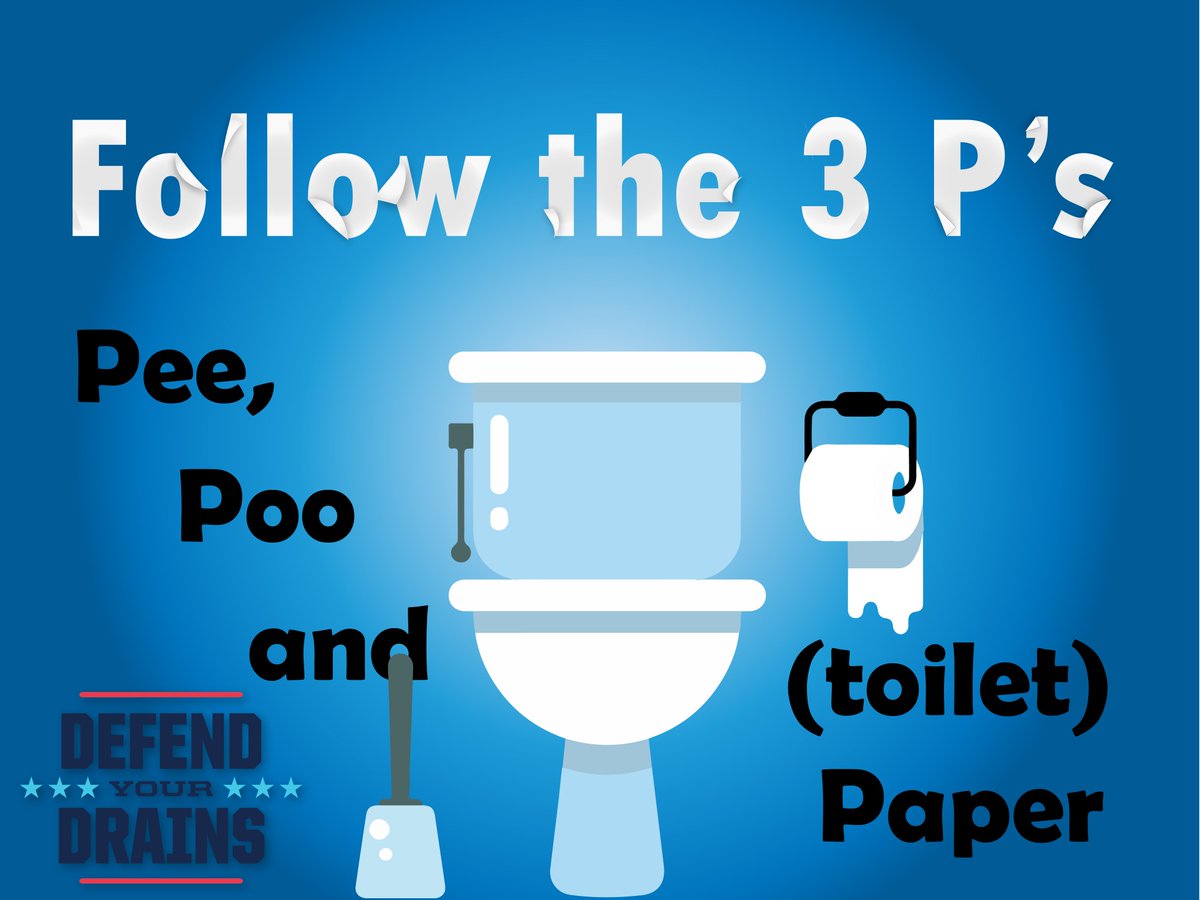
But of course, we’ve all been guilty of flushing something other than poo, pee and paper down the toilet. But who are we to blame?! At school we were never taught what not to flush down the toilet, were we? Instead, we were taught incredibly useful life concepts such as how to solve 2x + y = -∞ and that memorising your times tables was a great idea because a calculator apparently couldn’t do that for you!
I can assure you that the majority of people will do their business, flush the toilet and then not give it a second thought as to where their business goes. Nobody actually thinks about the complex lattice of pipes that sits under their house and throughout their neighbourhood. But I believe it is so essential that people understand where their waste goes and how it’s treated.
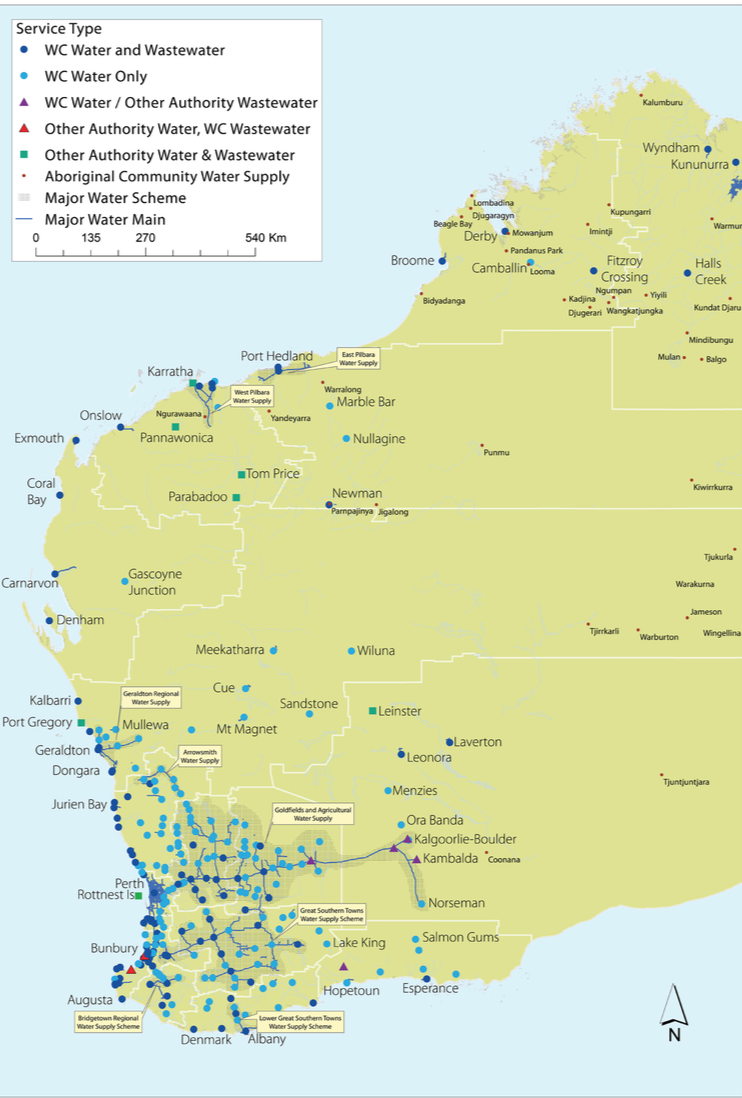
The Water Corporation is the principal supplier of wastewater services in the entire state of Western Australia. Each day, a massive 450 million litres of wastewater travels through one of their 16 000 kms of wastewater pipes in WA. The image below proves the scale to which the company operates on a daily basis.
But what exactly is ‘wastewater’? Well, wastewater is actually 99.97% water, but it’s also composed of varying amounts of physical, chemical and biological constituents. In WA, one of the first stages of wastewater treatment at our plants is a screening process where large objects like rags, plastic and rubbish are filtered out.
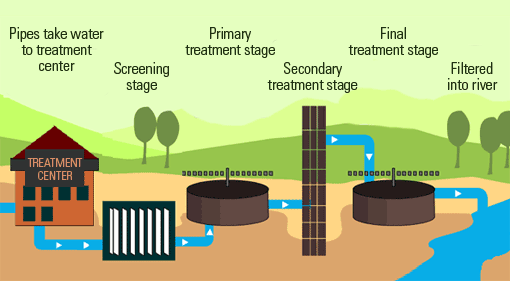
Wastewater Treatment Plant: Stages
The first time I visited a wastewater treatment plant, I was in complete shock for two reasons. Firstly, the horrid stench that infiltrated my nose made me nauseous to a point where I was close to fainting. And secondly, I was able to see first-hand the physical constituents that people are putting in our wastewater. At the screening stage, I saw things such as baby wipes, nappies, sanitary items, pieces of clothing, a rubber duck, and even some cash money!
This was such a pivotal moment for me because from this day on, I craved to learn more about this pressing issue and the more I learnt, the more empowered I felt. I started to educate (and scold) all my friends and family when I saw them doing the wrong thing. At times I yapped on way too much and they would say to me: ‘All you do is talk sh*t these days!’ (Yes, that pun was fully intended).
Jokes aside, some physical objects found in wastewater sometimes don’t even make it to the treatment plants sometimes. They get stuck in the pipes on the way there and this leads to blocked and damaged pipes, which, as we saw in my vlog, can lead to showers overflowing.
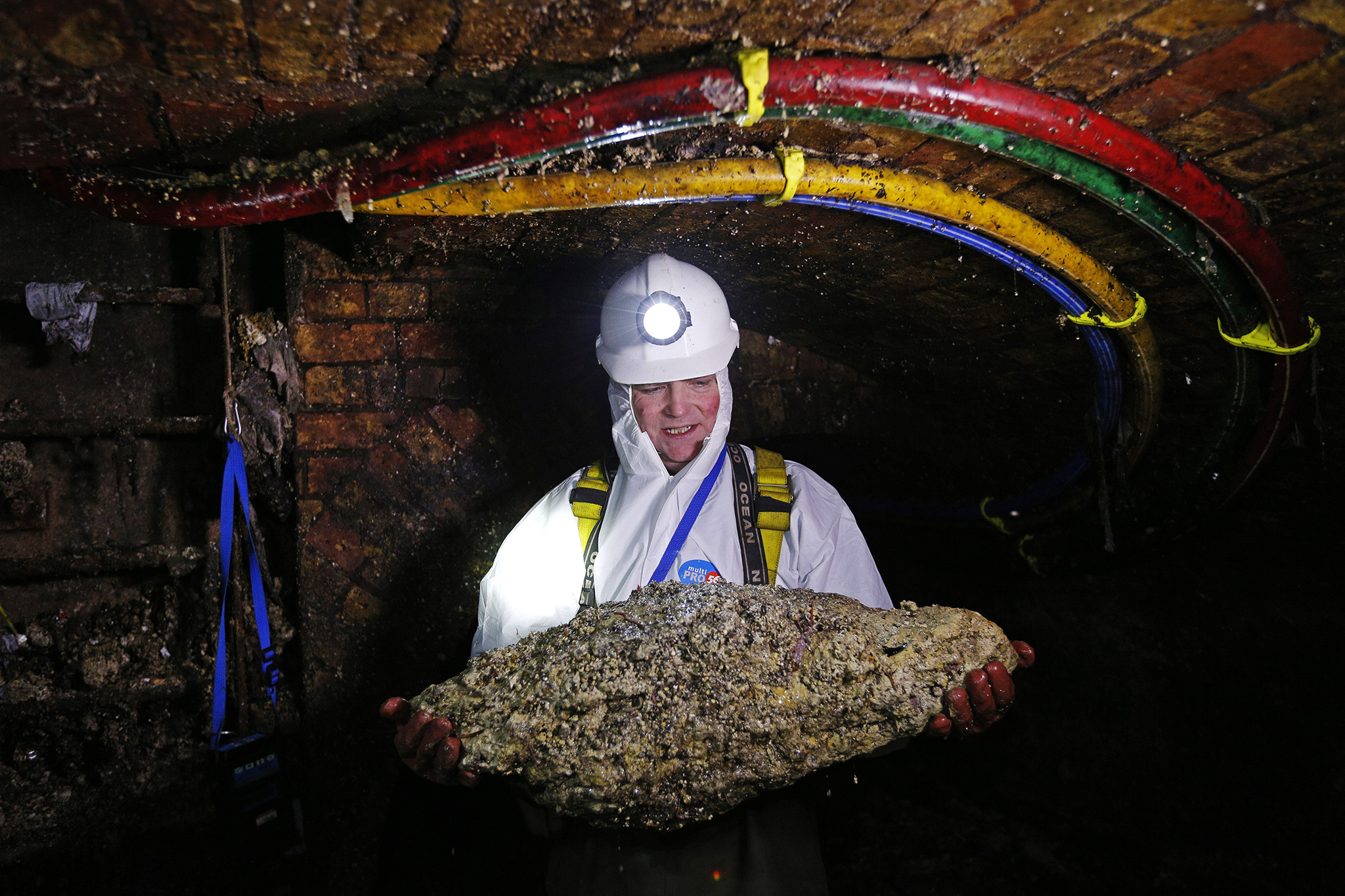
Fatberg found in wastewater pipes.
Just recently, Britain discovered their largest ‘fatberg’, weighing in at 130 tonnes (much larger than what’s pictured above). A ‘fatberg’ is a solidified mass of grease, sanitary items and other waste products found in wastewater pipes. A fatberg of such a size takes at least eight weeks to destroy in exceptionally challenging work conditions, so you can imagine the costs involved there.
So how do I propose we solve these issues? Well I am a firm believer that knowledge is power and by educating people about wastewater treatment processes, we can make a change.
Around 30% of blockages in WA’s wastewater system are caused by fats, oils and grease solidifying in pipes, yet people are still pouring their cooking oil down the sink! I don’t think it’s because people are lazy or ignorant, it’s that people lack the knowledge and awareness of wastewater treatment processes!
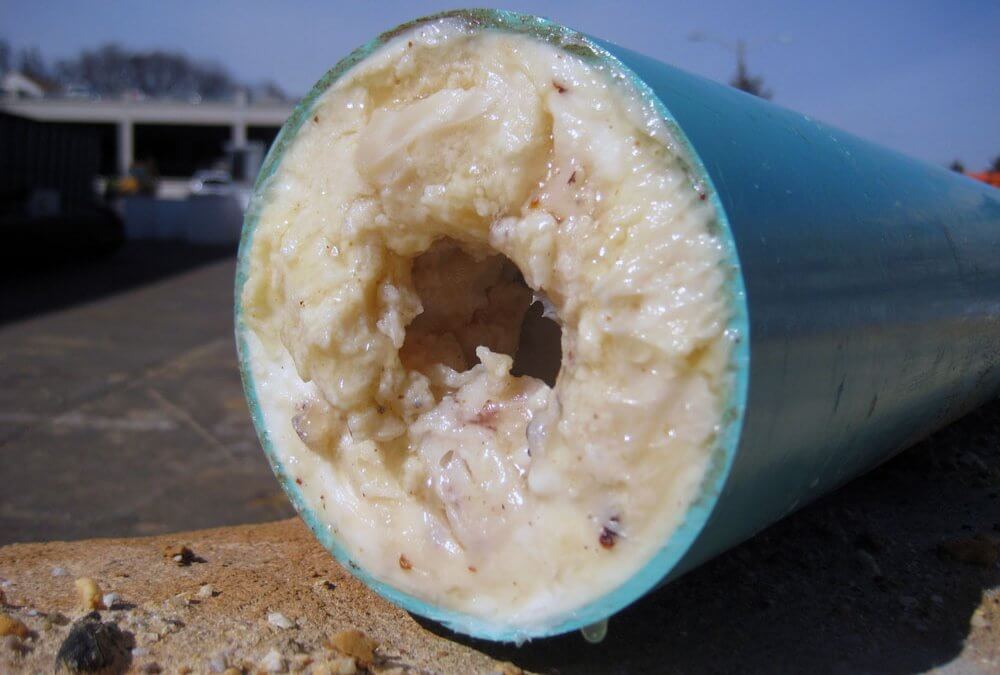
Solidified oil causing pipe blockage.
But why should we care about wastewater? It’s gross and we can’t drink it right? Nope! Wastewater is actually recycled as it is treated to a point where it is safe to drink again.
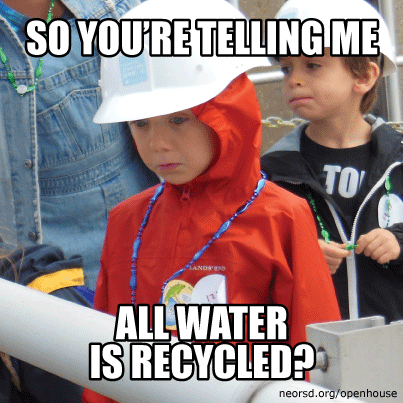
We need to ensure that we don’t inhibit the wastewater treatment process or make it unnecessarily costly. The world has already lost 70% of its natural wetlands over the last century so we can’t keep going at this rate.
We need to be wise with our water in order to fulfil the sixth Sustainable Development Goal proposed by the United Nations. And that is ‘to ensure availability and sustainable management of water and sanitation for all.‘ Let’s stop being selfish and start providing safe and affordable water to everyone in the world!
Sustainable Development Goal #6
Personally, I think the government should make the first move and act now. We see ads on TV warning people to stop smoking or to stop eating junk food because it’s harmful for their bodies. But why are there no ads about wastewater? This should be just as important because water is essential to human life!
A campaign needs to be started to educate people on how wastewater is treated and the negative impacts that come from people’s actions. Let’s show them real and raw footage of a fatberg, of someone’s shower overflowing with wastewater, or of pipes blocked by oil and nappies. I am confident that this will be sure to start a movement and we can finally put a stop to the rising issues related to wastewater treatment.
So, next time you see someone flushing a baby wipe down the toilet or pouring their food scraps down the sink, stop them and ask: ‘Water you doing?!’ because they should #giveash*t about our wastewater!
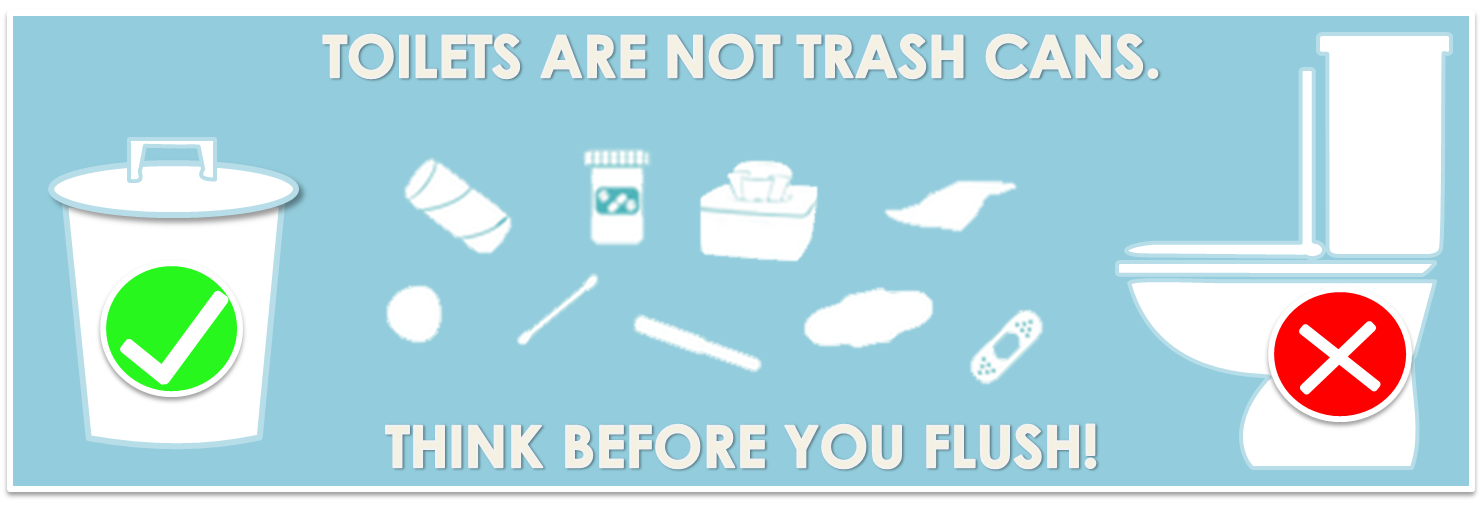

 Water You Doing?

awesome! well done and very engaging!
LikeLiked by 1 person